
Understanding online conversations and sentiment around respiratory viruses

/Overview
Cube was engaged to provide a retrospective deep dive and ongoing pulse check of how seasonal respiratory viruses are discussed online. The project aimed to evaluate sentiment, understand audience dynamics, and tap into the public discourse surrounding RSV and other respiratory illnesses.
The work was needed to inform future messaging strategies, track competitor presence, and assess the impact of previous awareness efforts. It also enabled a direct comparison between how different respiratory viruses are perceived, helping to shape more effective, unbranded public education.
/Challenge
As public attention toward respiratory viruses has shifted in the years following the pandemic, understanding sentiment and awareness levels across different conditions became a priority. The challenge was to map the digital landscape of seasonal respiratory virus conversation in Australia, particularly among adults aged 60+, and to evaluate how discussion around RSV compared in tone and visibility to others including COVID-19 and the flu.
Cube needed to provide a detailed view of conversation volume, tone, knowledge gaps, and emotional drivers, while identifying competitor activity – all in a compliant and unbranded way that would support public health messaging efforts.
/Solution
Cube delivered a comprehensive social listening program, including a 12-month retrospective and focused 3-month updates. Using keyword tracking and sentiment mapping across platforms such as Meta, Reddit, X and online news, the analysis captured how seasonal respiratory viruses were discussed online.
The deliverables included demographic and channel breakdowns, emotional tone mapping, competitor benchmarking, and a comparative view of sentiment and conversation frequency between the different respiratory viruses. In addition to insights, Cube identified clear opportunities and provided strategic recommendations—ensuring the outputs directly informed future messaging, audience targeting and campaign planning.
Impact
The reports equipped our client with a strategic, data-backed understanding of online respiratory virus conversations—who was talking, how they felt, and where to meet them.
Comparative understanding
Enabled the client to assess how sentiment and conversation volume differed across seasonal respiratory viruses, supporting more nuanced campaign planning.
Target audience identification
Uncovered the most engaged demographics, providing a foundation for tailored messaging strategies.
Tone and sentiment clarity
Mapped the emotional drivers behind online discussions, highlighting the balance of concern, trust, and scepticism influencing public attitudes.
Content and platform guidance
Pinpointed the platforms and content types most associated with engagement, informing future media mix and message delivery.
Competitive landscape view
Provided benchmarking on share of voice and sentiment for key competitors, allowing for strategic positioning without brand references.
Education opportunities
Identified gaps in public understanding—particularly among older adults—where unbranded education could support awareness and health literacy.
TESTIMONIAL

Omico has built a strong evidence base demonstrating the impact of genomic profiling and precision oncology for Australians facing cancer, as well as its broader value to the Australian economy. Making sure that evidence is understood by clinicians, policymakers and the community is critical and Cube’s expertise, sector understanding and agile, multi-channel approach helped bring that to life in a clear and meaningful way.

Collaborating with Cube has been an immensely positive experience. Cube has demonstrated an excellent understanding of our goals and values, ensuring every aspect of the communications plan aligns with GSK’s mission. Their proactive approach in identifying opportunities and potential challenges has been a key factor in the success of our communications efforts. With meticulously planned execution of media engagements, the team’s professionalism, enthusiasm and creativity have exceeded our expectations, making them an indispensable business partner.
Working with Cube has been a remarkable experience. Like BeOne, they are a small team with big ambitions. Time and again, Cube has proven to be an effective, reliable, and responsible partner. They bring enormous energy, detail and innovation to every project and have helped BeOne achieve the highest goals and meet the tightest timelines. For every idea, they have a solution ready.

Cube has partnered with Biocelect managing the arrival of a COVID-19 vaccine to Australia and New Zealand. The team has worked attentively and collaboratively with Biocelect and the US team in managing the challenging pandemic and vaccine dynamics as they evolve. They have applied their strategic communication, crisis management and media skills to be pre-emptive and agile in preparing for and managing local media and political commentary. They are responsive, professional, a pleasure to work with and, like Biocelect, hardworking!

We brought Cube in as an external agency to support us with a communications initiative for one of our products in 2019. Now – I don’t know what I would do without them! They are no longer viewed as ‘the agency’, but integral to the Novartis team – as partners and strategic advisors. Now working across multiple portfolios, Cube consistently bring their high-level strategic insight, laser focus for detail, and deep expertise across the entire gamut of communications. I would highly recommend Cube to anyone looking for a nimble yet well-rounded agency partner.
More Case Studies
Ambassador-led digital campaign to drive early action in multiple sclerosis
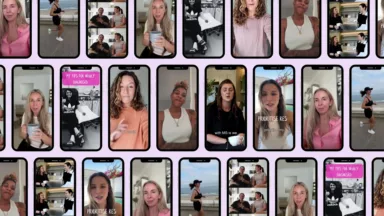
Cube led the MS Motion initiative into its third phase, continuing to raise awareness of the need for early symptom recognition in MS – where acting fast can help to protect the brain and quality of life. While earlier phases focused on building foundational awareness, Phase 3 responded to a rapidly evolving digital landscape, where content consumption had shifted – shorter attention spans, more video, less polish. MS Motion was truly co-created with people living with MS, the campaign used authentic, ambassador-led storytelling to connect with women aged 20–40 and prompt action.

Engaging HCPs and the public through a dual Instagram strategy
Cube partnered with a leading medical aesthetics company to modernise its social presence and reflect its position as an industry leader. For the first time, an always-on content strategy was implemented, bringing consistency, structure and strategic direction to the brand’s digital activity.
Through a dual-channel Instagram strategy, we built a confident, public-facing presence to drive broader awareness, while deepening engagement with HCPs through gated, value-led content. A mix of organic and paid tactics drove reach, engagement, and follower growth across both audiences.

Empowering people living with ankylosing spondylitis
Cube delivered a targeted digital campaign to reach Australians living with Ankylosing Spondylitis (AS), empowering them to take control of their condition. The campaign centred around resources and creatives that were needed to fill the gap the community were looking for. This focused on symptom recognition, self-advocacy, and education to drive real behaviour change.

Understanding online conversations and sentiment around respiratory viruses
Cube was engaged to provide a retrospective deep dive and ongoing pulse check of how seasonal respiratory viruses are discussed online. The project aimed to evaluate sentiment, understand audience dynamics, and tap into the public discourse surrounding RSV and other respiratory illnesses.
The work was needed to inform future messaging strategies, track competitor presence, and assess the impact of previous awareness efforts. It also enabled a direct comparison between how different respiratory viruses are perceived, helping to shape more effective, unbranded public education.

Brand identity and digital launch for a biotech manufacturing facility
Cube was engaged to develop and launch the brand for VVMF (Viral Vector Manufacturing Facility) as it entered a new phase of commercialisation. A local biotech manufacturing start-up, VVMF was preparing to establish itself as a leading viral vector CDMO, supporting growing demand for advanced cell and gene therapies across Australia and the APAC region.
Cube’s remit extended beyond visual identity to include strategic messaging, digital presence and launch materials designed to position VVMF as a credible, future-facing partner for industry, research and commercial collaborators.

Supporting the breast and ovarian cancer community during COVID-19
During the unprecedented times of COVID-19, Cube supported the patient and cancer prevention organisation Pink Hope in launching their e-newsletter campaign “The Hope Weekly”. The purpose of this was to provide their community with relevant information and support. Cube and Pink Hope successfully produced weekly eDMs in a matter of days with overwhelmingly positive responses from the community.

Behaviour-change campaign to increase flu vaccination in high-risk groups
With flu vaccination rates being only 30% for high-risk groups in 2019, Cube set out to tackle the worst flu season on record. Powered by a creative social campaign, utilising consumer and trade media experts, we introduced a new motivator to persuade high risk groups to seek vaccination and protect themselves from influenza and heart attack.

AdCheck – Improving advertising compliance in consumer health
From 1 July 2020, mandatory pre-approvals of therapeutic goods consumer advertising ended, moving to a new self-regulatory process. Consumer Health Products Australia (CHP Australia) stepped into support – offering a new independent compliance service run by dedicated experts to support with compliance needs, training, and advice.

Digital campaign building confidence in biosimilar medicines
Slow uptake of biosimilar medicines is putting increasing pressure on the Australian healthcare system. To increase confidence and awareness among healthcare professionals and consumers, we implemented a multi-channel, targeted social media strategy. By delivering educational and engaging content, we aimed to increase uptake of biosimilars and generate significant cost reductions for the Australian healthcare system.

Public health campaign promoting early melanoma detection
Melanoma is a significant health concern, particularly in rural and regional Australia. Despite the higher incidence rates in these areas, many individuals lack awareness of the disease and available support services. The Self-Skin Checks, No Regrets campaign aimed to address this gap by providing tailored information and resources to encourage regular skin checks and early intervention.